
Experiment
the pantry playgroundWhen I enter a super market, it feels a bit like being in the Wonka Chocolate Factory. I get mesmerised by the treasure trove of ingredients that I see. As someone who loves to experiment, discovering ingredients and checking what goes with what is quite a high. I would love to share with you my personal favourites, as well a lot of unnecessary junk that we all collect in our pantry.
What is it?
How do I use it?
Why does it matter?
This is my attempt to answer those questions.
You'll find everyday spices, pantry staples, herbs, and a few ingredients that carry stories of their own. Just a practical guide to help you understand what's in your kitchen and cook with a little more confidence, whether you're just starting out or have been cooking for years.
the masala dabbaIndian pantry staples
14 everyday spices, in one drawer
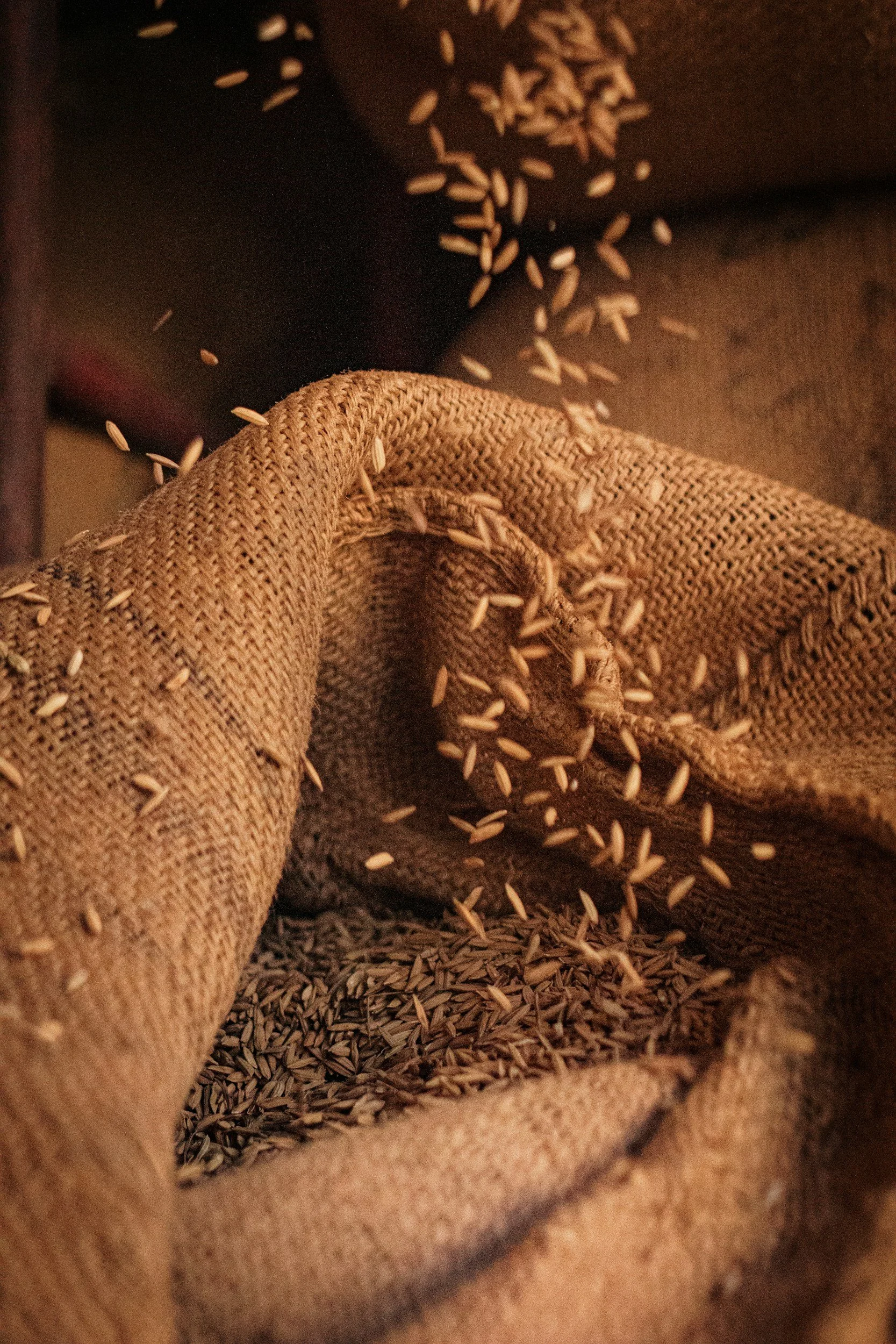
Cumin Seeds
Jeera · jee-raa
Notes: Jeera is usually the first thing that goes into hot oil. It’s used whole, or roasted and ground, depending on the depth you’re after.
Flavour: It adds a warm, slightly nutty, and earthy base that everything else builds on.
Health Fact: Jeera is known to be high in anti-inflammatory antioxidants, which is why it shows up so often in everyday cooking.
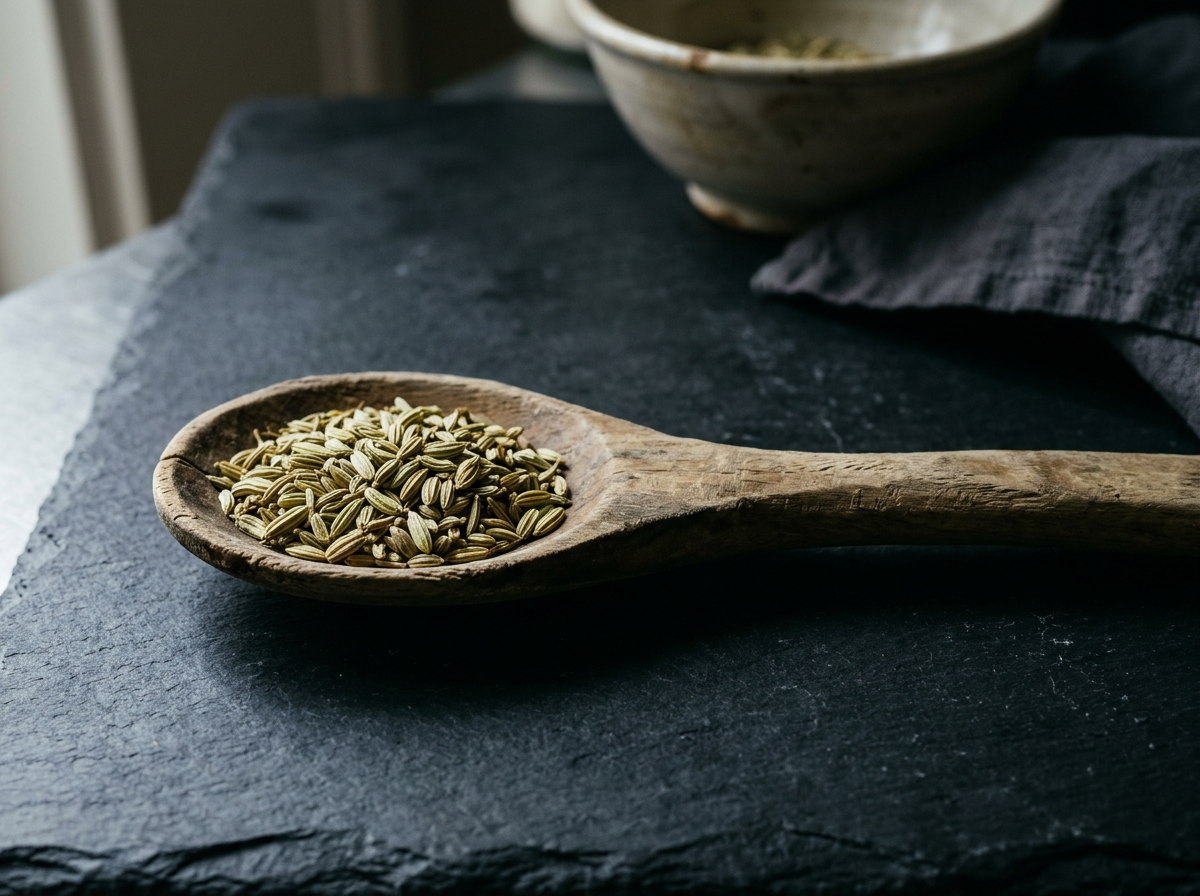
Fennel Seeds
Saunf · saun-ph
Notes: Very frequently used in cooking, but just as commonly served at the end of a meal as a palate cleanser.
Flavour: Light, slightly sweet, with a licorice-like flavour.
Health Fact: Saunf is also offered after meals as a digestive - something to reach for almost without thinking.
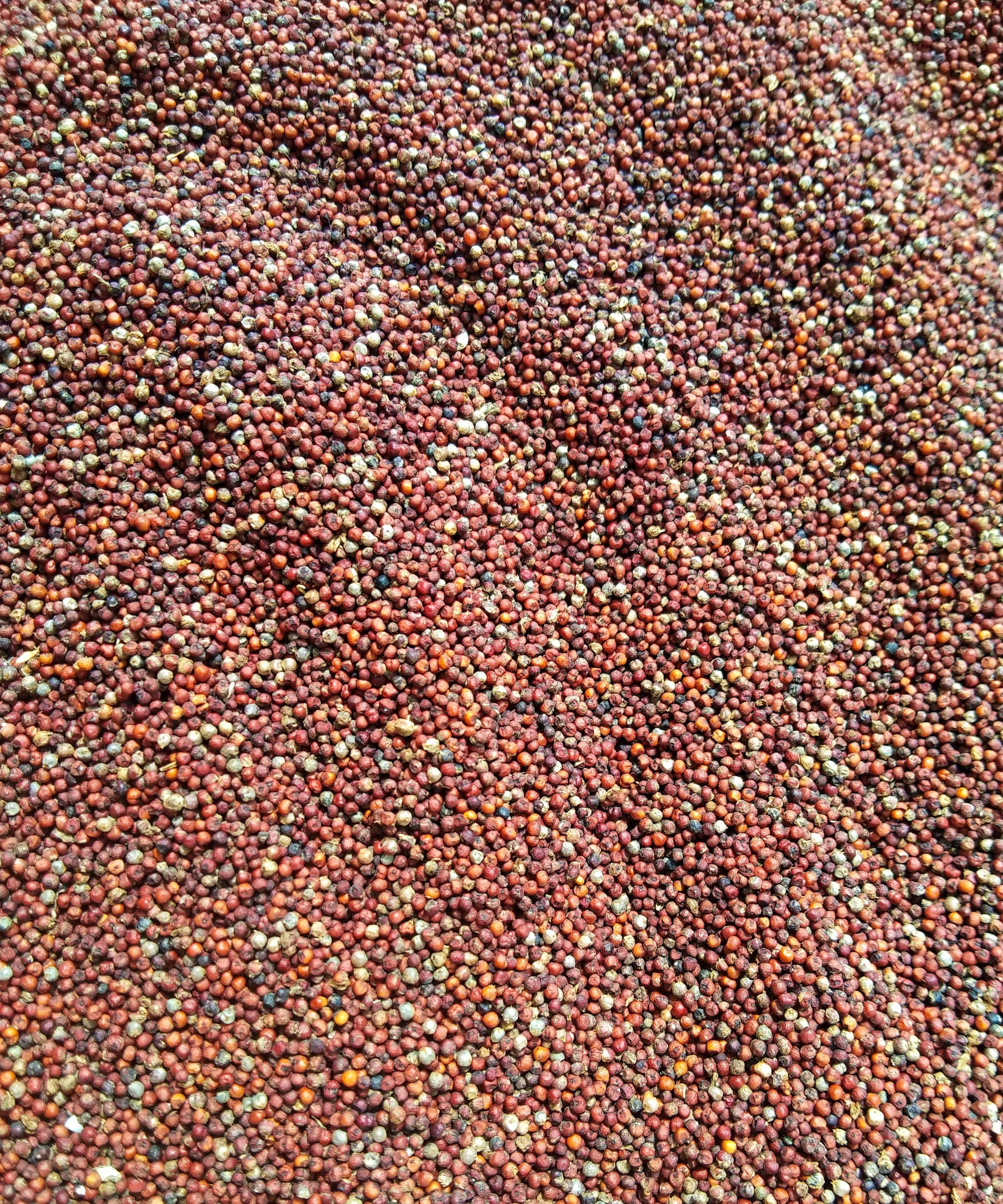
Black Mustard Seeds
Rai · raa-ee
Notes: They are tiny seeds that come alive when they hit hot oil. Then they crackle, pop, and release their flavour.
Flavour: These seeds add a sharp, almost nutty flavour into the dish.
Health Fact: Mustard seeds need to pop before use - if they don’t, they can taste quite sharp. That quick sizzle makes all the difference.
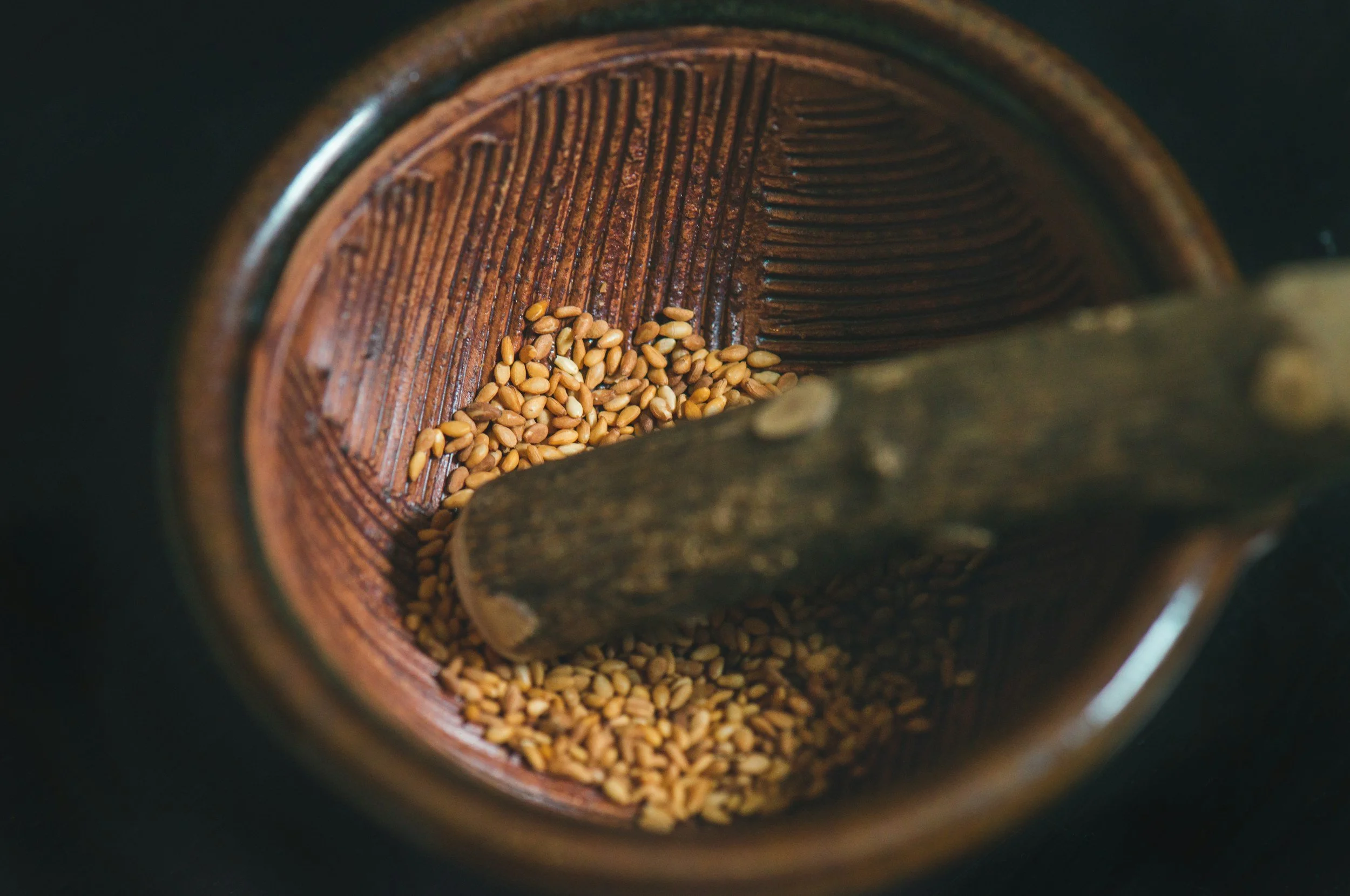
Fenugreek Seeds
Methi · may-thee
Notes: Usually added to dals and curries in small quantities.
Flavour: Slightly bitter on their own, but in the right amount, they round out a dish beautifully.
Fun Fact: Fenugreek was used by the Romans to flavour wine - long before it became a staple in Indian kitchens.
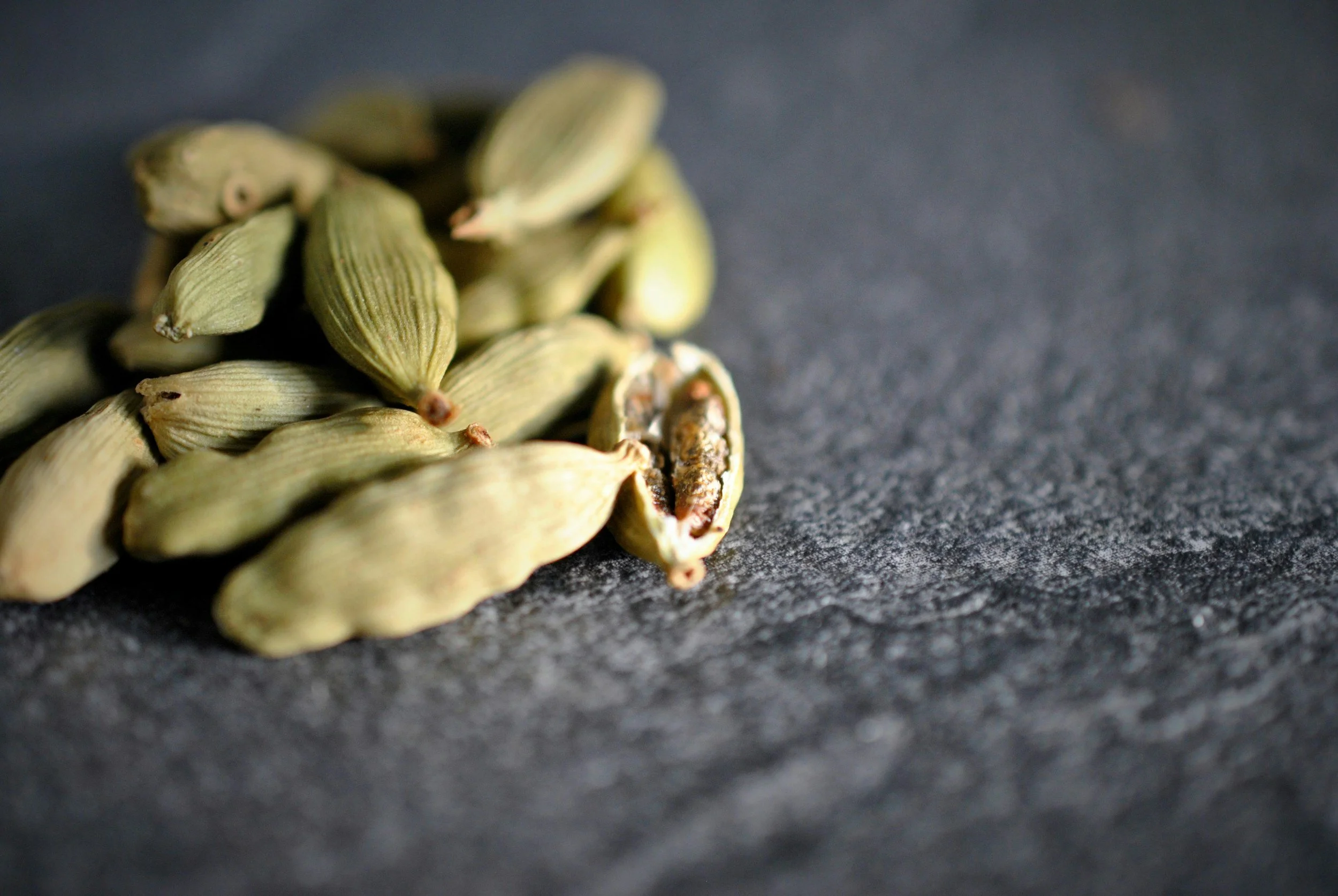
Green Cardamom
Elaichi · eh-lai-chee
Notes: The pods are usually crushed just before use to release their flavour. It is also used in Arabic coffee and Scandinavian baking - a spice that travels well across cuisines.
Flavour: Fragrant, almost floral, and used across both sweet and savoury dishes.
Fun Fact: Most people bite into a pod at least once by accident, and remember it forever.
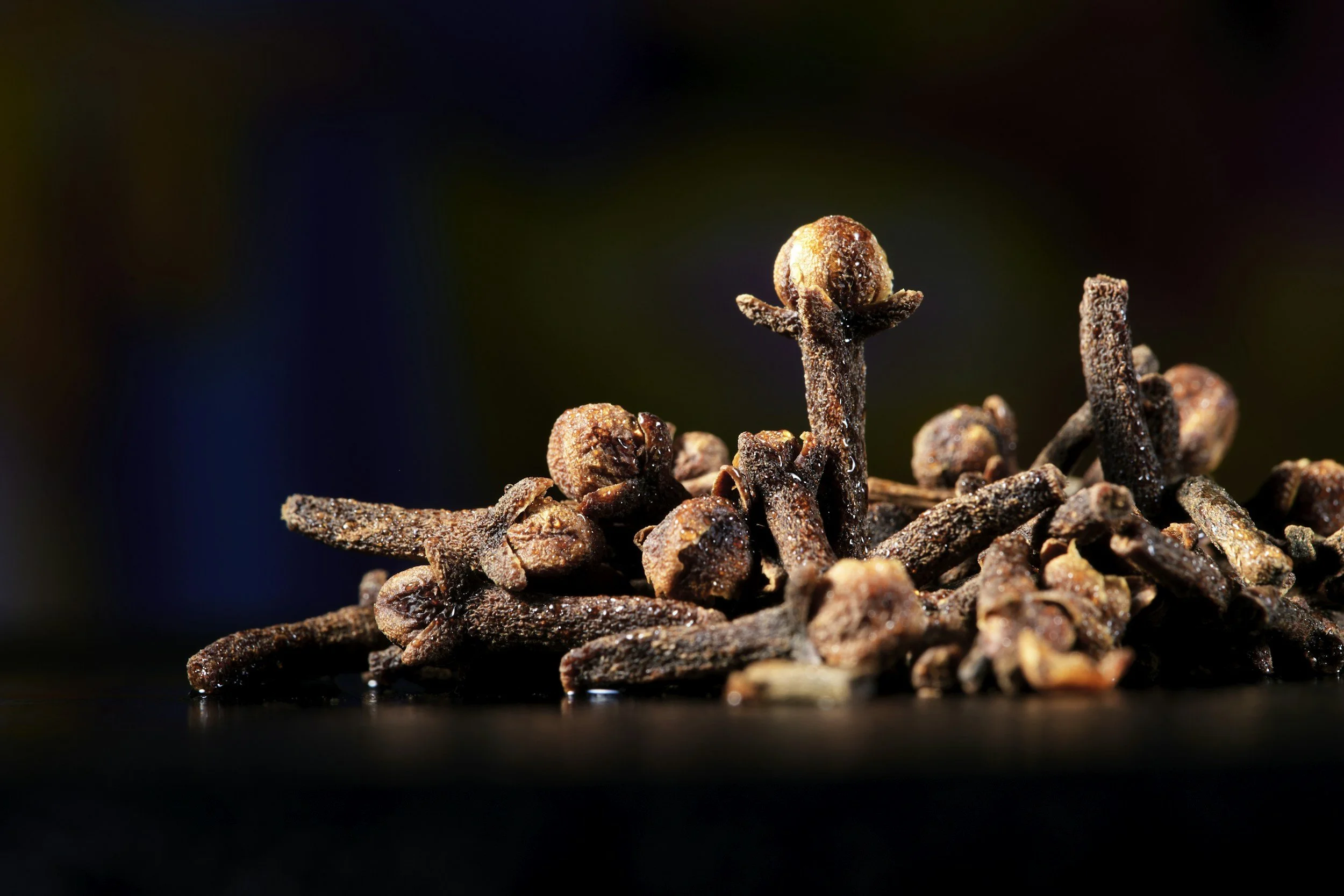
Cloves
Laung · long
Notes: Cloves are used sparingly. Just a few are enough to flavour a pot of rice or a curry.
Flavour: Intensely sweet and spicy with deep woody and peppery undertones.
Fun Fact: Cloves are used sparingly. Just a few are enough to flavour a pot of rice or a curry.
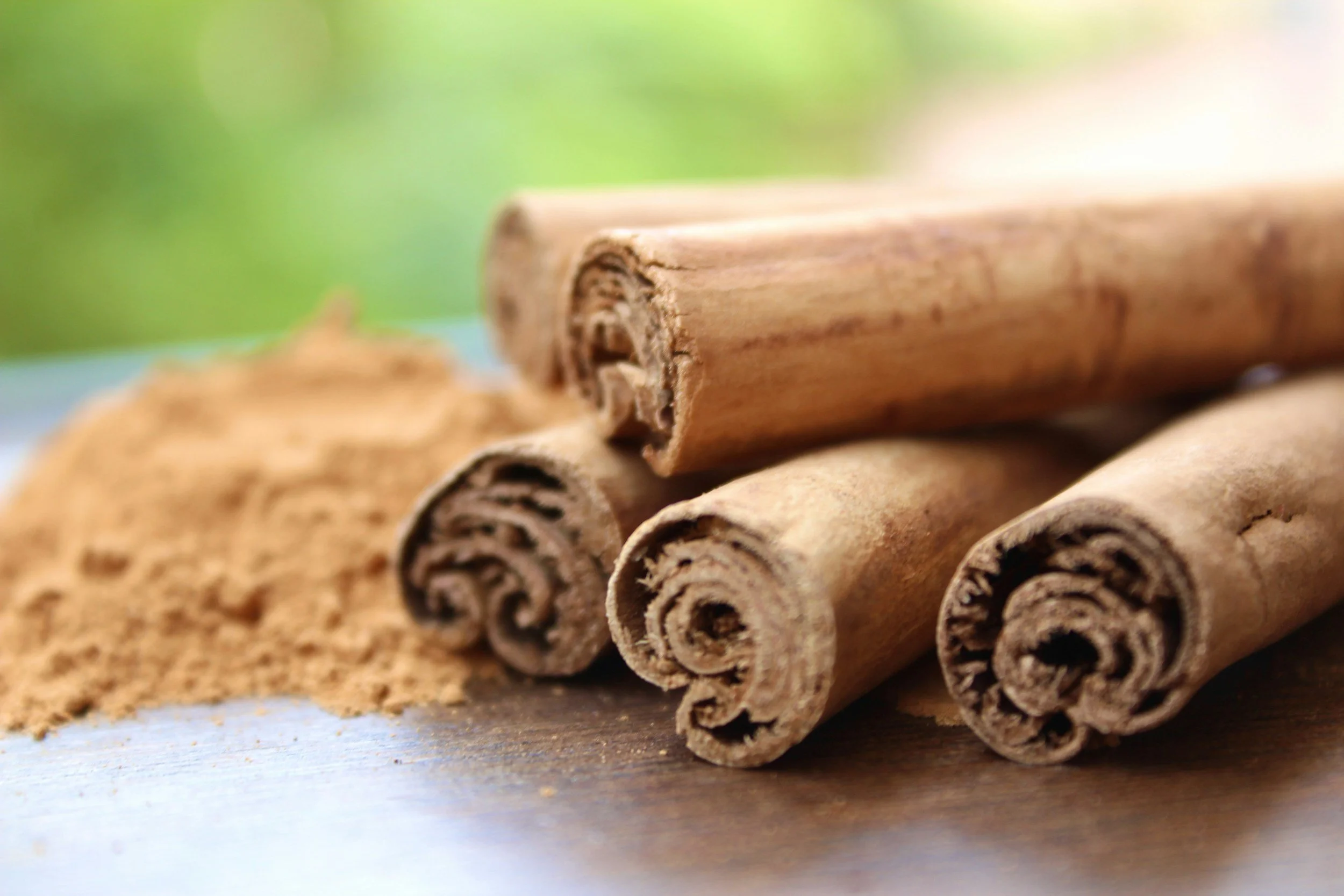
Cinnamon
Dalchini · daal-chee-nee
Notes: It is used as a whole bark in Indian cooking, not just in desserts. It is commonly used in dishes like curries, biryanis, and pulao.
Flavour: It adds more woody warmth than sweetness to savoury dishes.
Fun Fact: Beyond just flavor, Cinnamon has traditionally been known to help regulate blood sugar, boost metabolism, and stimulate circulation.
Star Anise
Chakra Phool · chuck-ra-fool
Notes: Recognisable by its shape, and quite strong even in small amounts. It is normally added to slow-cooked dishes and spice blends.
Flavour: It has a slightly sweet, almost liquorice-like note that deepens as it cooks.
Fun Fact: Its name literally means “flower of stars” and it looks exactly like one.
Mace
Javitri · jaa-vi-tree
Notes: From the same fruit as nutmeg, but lighter and more delicate. It is frequently used in spice blends, gravies, and biryanis.
Flavour: It blends in quietly, adding warmth without overpowering the dish.
Fun Fact: In its fresh state, Javitri is bright red, but after being dried in the sun, it turns into the familiar golden-brown colour.